

29
JuneGuide To Window Pane Repair: The Intermediate Guide Towards Window Pane Repair
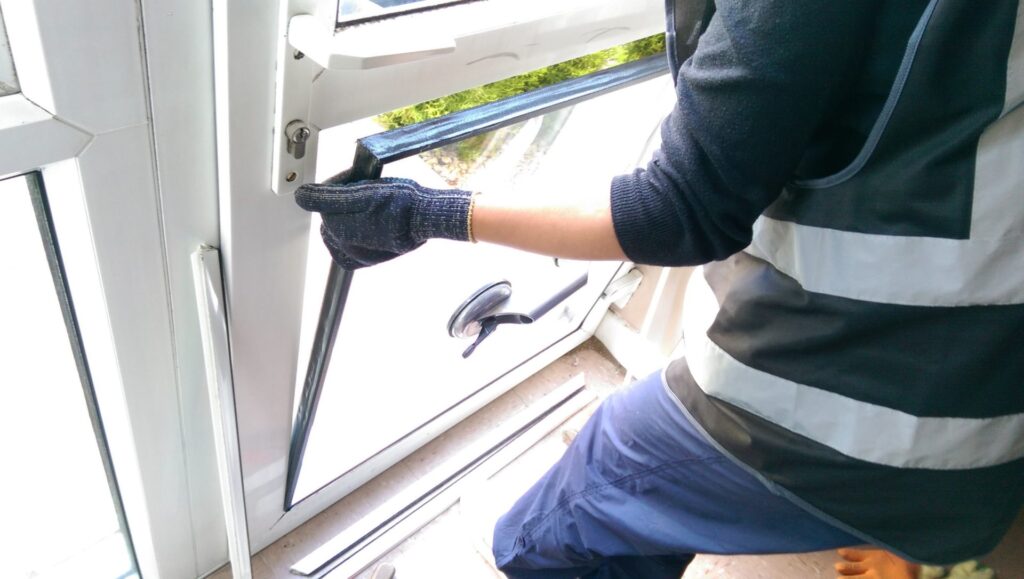
Understanding Window Pane Repair: A Comprehensive Guide
Window panes are essential parts of our homes, providing openness for views while protecting versus external aspects. In time, nevertheless, wear and tear, climate condition, and unintentional damage can leave window panes split or broken. When confronted with such issues, understanding the window pane repair procedure becomes essential for homeowners. This short article looks into the various aspects of window pane repair, including methods, tools, and often asked questions.
When is Window Pane Repair Necessary?
Before diving into the repair methods, it is crucial to determine when a window pane requires instant attention. Here are some indications that show a repair might be required:
- Cracks: Cracks, whether little or large, can compromise your window's structural integrity and energy performance.
- Shattered Glass: If a window pane is completely shattered, it poses a safety hazard and needs immediate replacement.
- Foggy or Cloudy Appearance: This typically indicates seal failure in double-glazed windows, and while it may not need instant attention, it can cause further wear and tear.
- Drafts: If drafts can be felt near the window frame, it may suggest that the sealing around the glass has actually deteriorated, thus requiring repair.
Types of Window Pane Repairs
The repair methods depend upon the degree of the damage and the kind of window. Here are the most common types of window pane repairs:
| Damage Type | Repair Method |
|---|---|
| Little Cracks | Epoxy or UV adhesive application |
| Large Cracks | Replacement of the entire pane |
| Shattered Glass | Complete pane replacement |
| Seal Failure | Insulating glass replacement or resealing |
| Drafty Windows | Weatherstripping or caulking around the edges |
1. Epoxy or UV Adhesive Repair for Small Cracks
For superficial damages such as little fractures, applying an epoxy or UV adhesive can successfully seal and restore the stability of the glass. This technique is relatively easy and can be carried out without professional aid.
Steps to Repair with Epoxy:
- Clean the Area: Remove any dirt or debris around the crack.
- Apply Epoxy: Mix the epoxy resin according to package directions and apply it to the crack.
- Treat Time: Allow the epoxy to treat as per the maker's recommendations.
- Smooth the Surface: Once treated, sand it down to preserve a smooth finish.
2. Replacement for Large Cracks and Shattered Glass
If a window pane has extensive cracks or is shattered, replacing the whole pane is the most efficient option. This involves more intricate work and may need professionals for correct installation.
Actions for Replacement:
- Remove the Broken Pane: Carefully get the shattered or split glass using gloves for safety.
- Prepare the Frame: Clean the frame from any fragments or leftover sealing material.
- Set Up Replacement Glass: Precisely cut a brand-new glass to size and install it into the frame, ensuring it is protected adequately.
- Seal the Edges: Use silicone or glazing putty to seal the edges of the pane.
3. Insulating Glass Replacement for Seal Failures
Windows with seal failures may show condensation in between panes. Insulating glass replacement, where the whole unit is changed, is recommended for double or triple-pane windows.
4. Weatherstripping for Drafty Windows
If windows are breezy, weatherstripping can be an outstanding option. Here's how to do it:
Step-by-step Guide for Weatherstripping:
- Identify Draft Areas: Run your hand along the window edges to find drafts.
- Pick Weatherstripping Material: Options include foam tape, rubber weatherstripping, or silicone sealant.
- Measure and Cut: Measure the window edges and cut the weatherstripping to size.
- Set up: Apply the weatherstripping along the edges, pushing it strongly to guarantee adhesion.
Tools and Materials Needed for Window Pane Repair
Before starting any repair, it's necessary to gather the needed tools and materials:
Basic Tools:
- Screwdriver
- Glass cutter
- Pliers
- Utility knife
- Putty knife
- Sandpaper
Materials:
- Replacement glass (if required)
- Epoxy or adhesive glue
- Silicone sealant
- Weatherstripping product
- Glazing putty
Regularly Asked Questions (FAQs)
1. How do I understand if my window is worth fixing or if it needs changing?
If the damage is minor, such as little fractures or drafts, repairs are generally adequate. For extreme damages like shattered glass or comprehensive seal failures, replacement is generally more effective.
2. Can I repair window panes myself?
Yes, numerous window pane repairs, particularly minor fractures or weatherstripping, can be done as DIY jobs. However, for significant damage or multiple panes, speaking with a professional is advisable.
3. How long does a window pane repair last?
Correctly repaired window panes can last a number of years, depending on the materials used and the level of the damage.
4. What can I do to prevent damage to my window panes in the future?
- Regularly check windows for signs of wear.
- Keep windows tidy and unblocked.
- Utilize protective procedures against harsh climate condition.
Window pane repair is a necessary element of home maintenance that ensures the longevity and efficiency of windows. Whether opting for DIY methods or working with specialists, comprehending the kinds of repairs and appropriate tools can make the process smoother. By addressing issues without delay and efficiently, property owners can preserve their homes' visual appeal and energy efficiency while making sure safety.

Reviews